
This post may contain affiliate links. When you purchase through links on our site, we may earn an affiliate commission. Read our affiliate disclosure
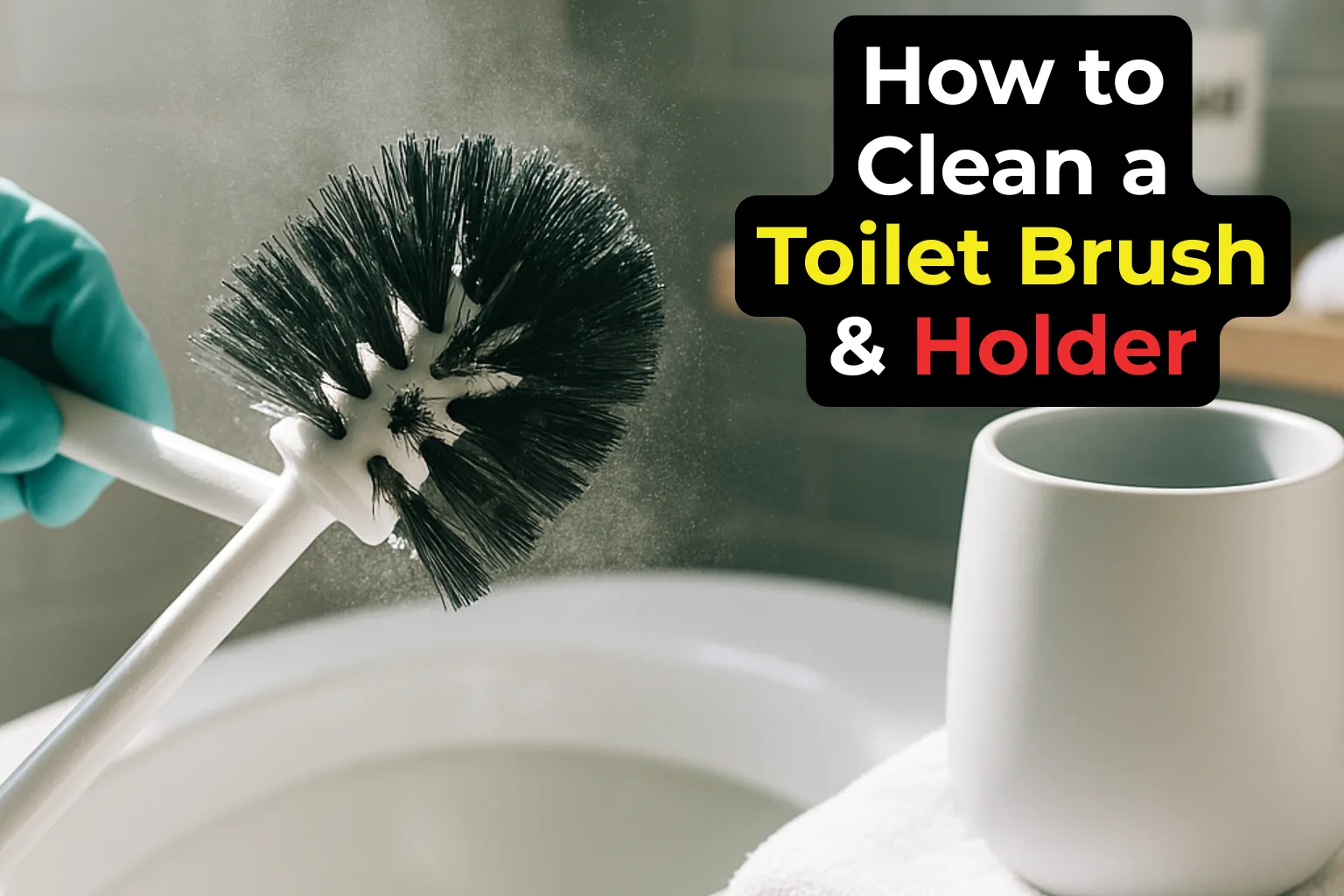
Keeping your toilet clean isn’t just about the bowl. Your toilet brush and its holder also need regular cleaning. If you ignore them, they can gather bacteria, dirt, and bad smells. In this guide, I will show you easy and safe ways to clean and disinfect your toilet brush and holder using disinfectant sprays, bleach, or natural cleaners.
Why clean your toilet brush and holder?
Cleaning your toilet brush and holder reduces the likelihood of germs spreading, helps the brush last longer and function better, and prevents the growth of bacteria and mold. Frequent cleaning keeps your bathroom smelling better and your family healthier.
What you’ll need?
- Rubber gloves and eye protection (recommended)
- All-purpose disinfectant spray or hydrogen peroxide
- Household bleach (if using the bleach method)
- White vinegar and baking soda (for the natural method)
- Hot water (tap)
- Clean towel or rack for air-drying
- Optional: bucket for soaking
Method A: Quick disinfectant spray (fast, low-fuss)
1. Spray the Brush:
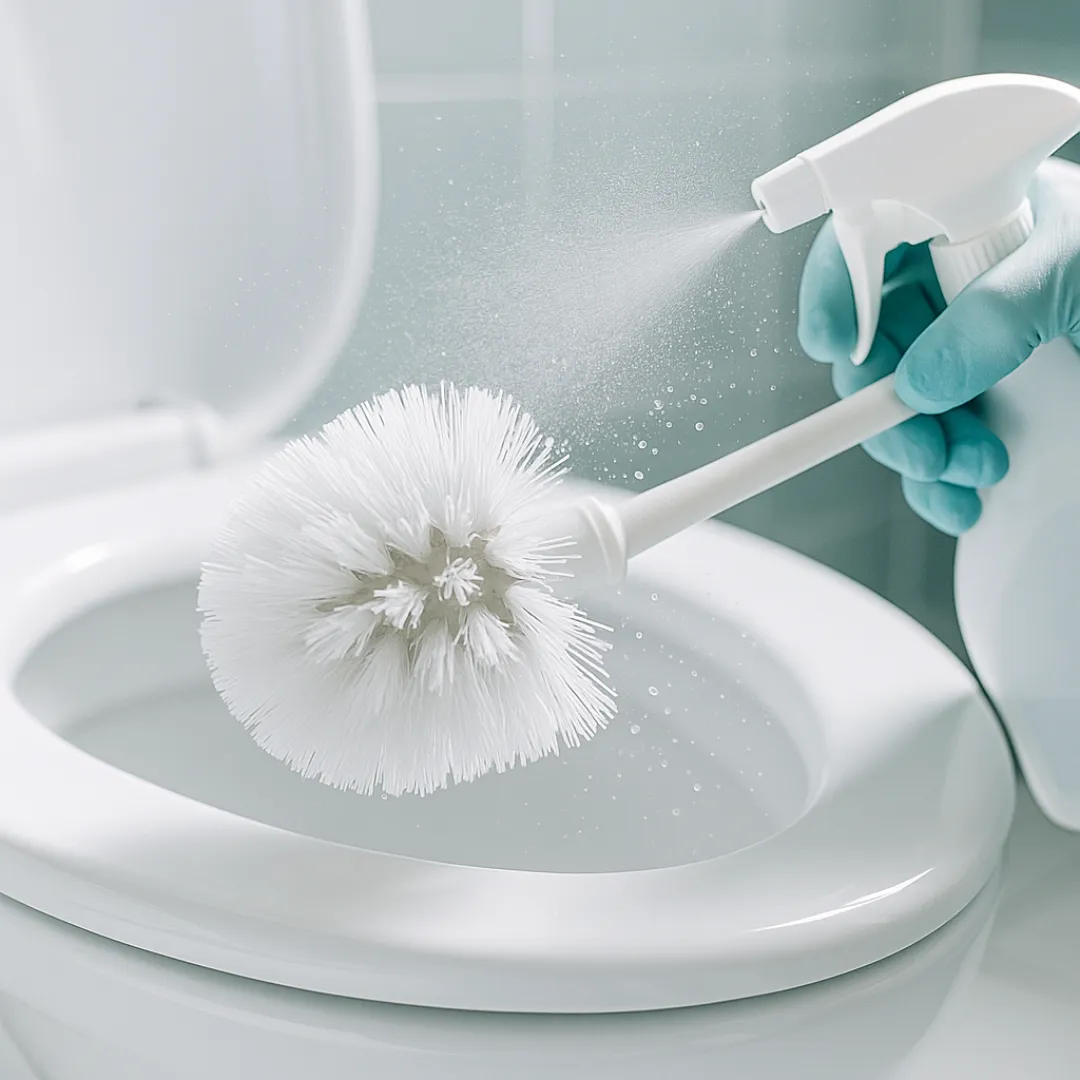
After cleaning the toilet, hold the brush over the bowl. Spray it with an all-purpose disinfectant or hydrogen peroxide. Rotate the brush while spraying to coat all the bristles.
2. Let It Sit:
Close the toilet seat and rest the brush handle on it, letting the brush head hang over the bowl. Allow the disinfectant to work for about 10 minutes to kill germs and let the residue drip into the toilet.
3. Rinse the Brush:
Rinse the brush under hot running water until the water is clear. If you rinse in a sink or tub, disinfect that area afterward.
4. Dry the Brush:
Let the brush air-dry over the bowl or on a clean towel for another 10 minutes. Do not put a wet brush back in its holder because moisture can lead to mold.
5. Clean the Holder:
Spray the inside of the holder with disinfectant. Wait about 10 minutes, then rinse it with hot water. Air-dry it on a clean towel before putting everything back together.
Method B: Bleach soak (deep clean, highly effective)
1. Prepare:
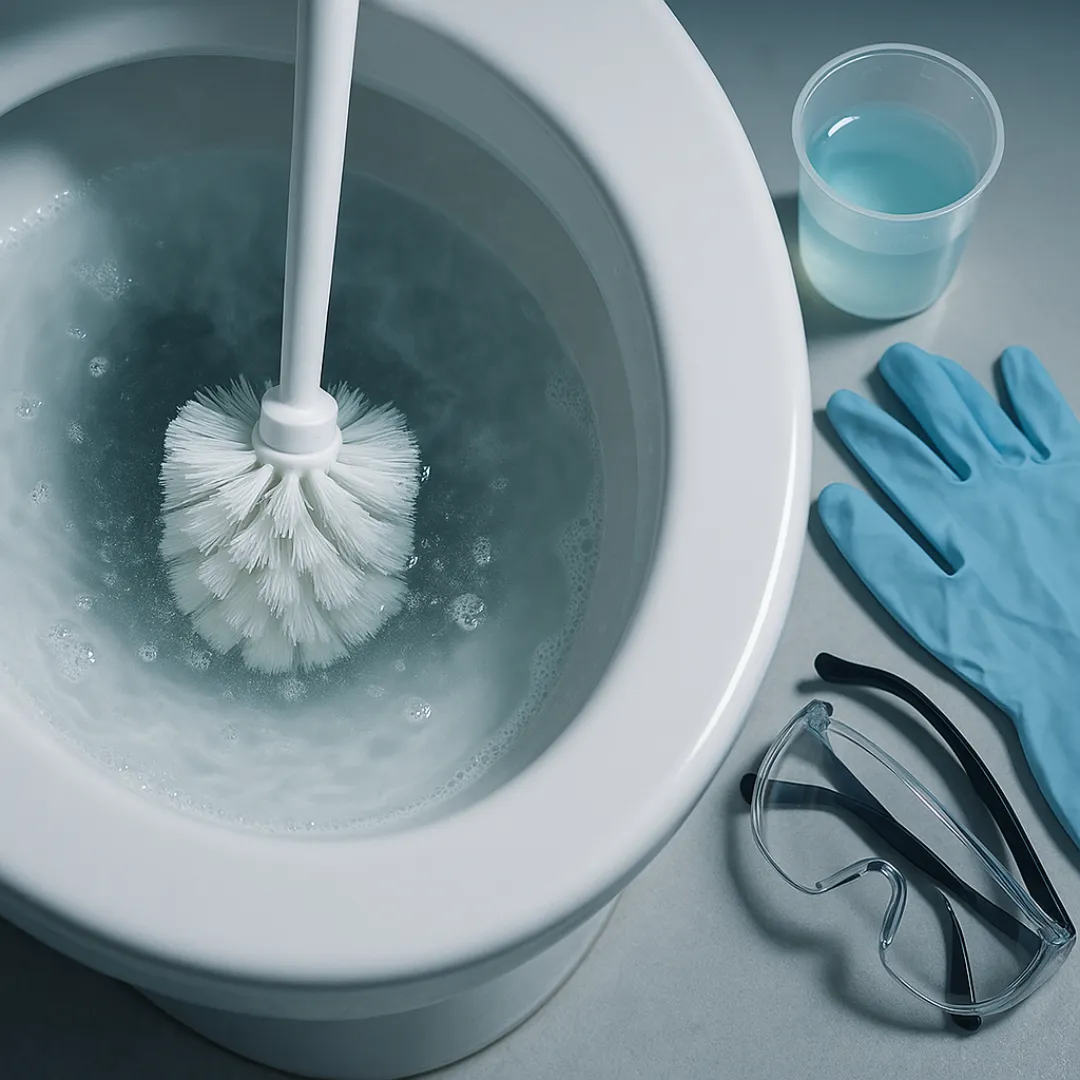
Start by cleaning the toilet. Add 2–3 capfuls of household bleach to the bowl or mix bleach with hot water in a bucket, following the instructions on the label.
2. Soak:
Place the brush head in the bleach water and let it soak for about 1 hour. Wear gloves and be careful to avoid splashing.
3. Rinse Thoroughly:
After soaking, rinse the brush under hot water for at least 30 seconds to wash away any bleach residue. The heat helps break down leftover bleach.
4. Dry Fully:
Let the brush air-dry completely before putting it away.
5. Frequency:
If you use the brush often, repeat this process every month. Remember, bleach is strong—always follow the instructions on the label and never mix bleach with vinegar or ammonia.
Method C: Natural cleaning (vinegar + baking soda)
1. Soak in vinegar:
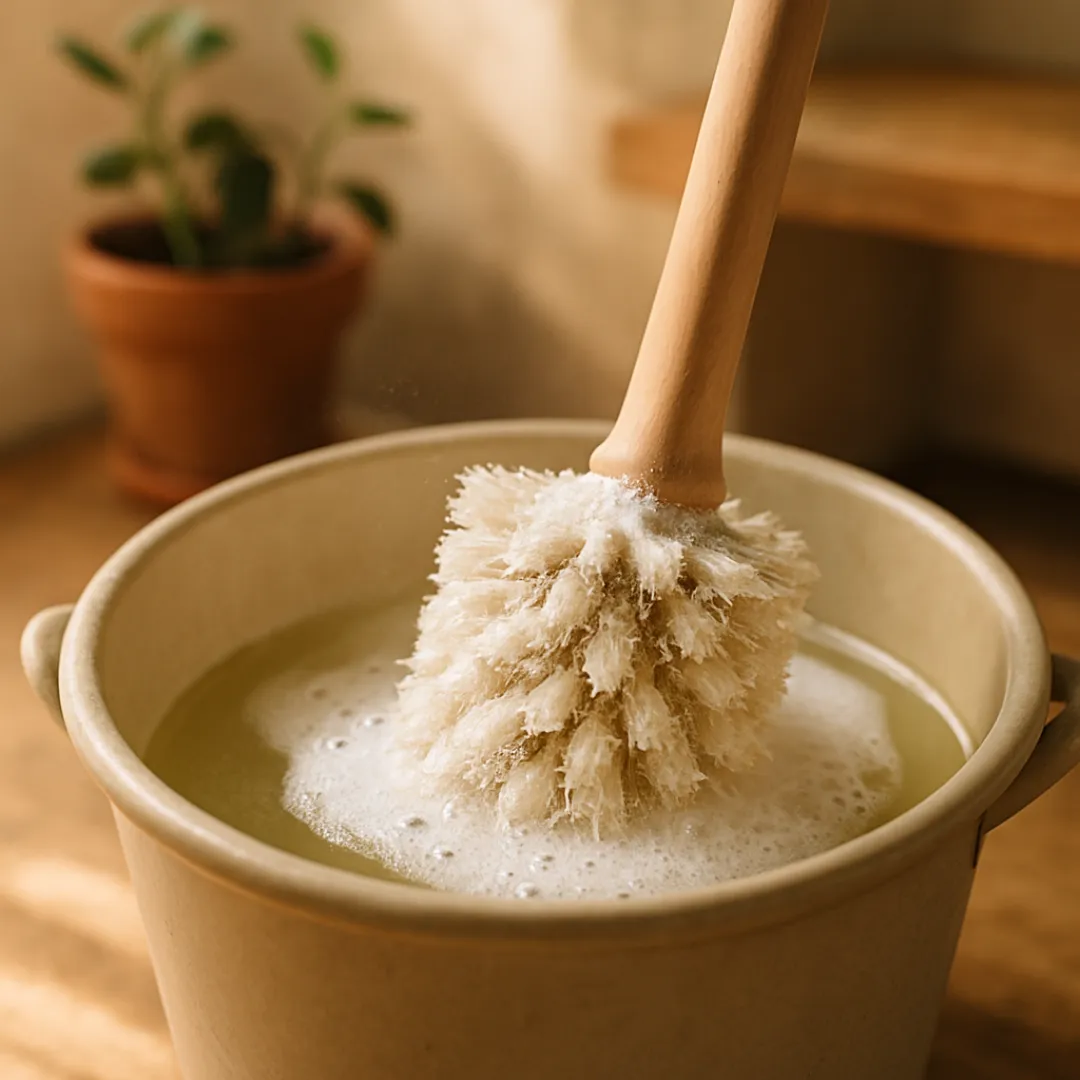
Add one cup (240 mL) of white vinegar to a bucket of the toilet water. Place the brush in it for 1 hour or overnight.
2. Baking soda scrub:
Sprinkle baking soda onto the brush. Use a small brush to scrub between the bristles to remove dirt. For the holder, spray vinegar, add baking soda, and then scrub.
3. Rinse with hot water:
Rinse the brush thoroughly under hot water for more than 30 seconds. Air-dry: Make sure both the brush and holder are completely dry before storing them.
Safety tips & precautions
- Wear gloves and keep the bathroom well-ventilated when using bleach.
- Avoid combining bleach with ammonia or vinegar, as this can produce hazardous odors.
- Rinse sinks or tubs right after cleaning to prevent contamination.
- Replace plastic brushes or heads when the bristles become frayed, or at least every 6 to 12 months for hygiene purposes.
Maintenance schedule (recommended)
- Quick disinfectant spray: After every major toilet clean or weekly.
- Deep bleach or vinegar soak: Once a month (or more often for heavy use).
- Replace brush: Every 6–12 months or when visibly worn.
Final thoughts
A clean toilet brush keeps your toilet clean. You can keep the brush and holder sanitary and odor-free by following a few simple steps: spray disinfectant, soak them monthly, or use vinegar and baking soda. Always follow safety precautions when using chemicals, let everything dry completely, and replace the brush when it wears out.
Read also:
How to Clean Toilet Bowl Ring? 10 Effective DIY Methods
How to Unclog a Toilet Full of Poop and Water: 10 Proven Fixes
How to Clean Your Toilet Tank – Step by Step Guide

My name is Mostarefa. I am a content creator and editor of ideasformyhome.com. I am an expert in home improvement. In this blog, I write about home improvement ideas, trending home decor ideas, and cleaning & organizing tips.