
This post may contain affiliate links. When you purchase through links on our site, we may earn an affiliate commission. Read our affiliate disclosure
Dust in our homes can cause health problems like allergies and irritation of the eyes and nose. Reducing dust helps keep your home cleaner and supports your well-being. To keep dust away, it helps to know where it comes from and use simple solutions.
In this guide, I’ll share over 20 practical tips to help you cut down on dust and make your home healthier for you and your family.
What is dust made of?
Household dust is made up of tiny particles from inside and outside your home. It usually includes fibers, skin flakes, pet dander, soil, pollen, soot, cooking oils, bits of insects and mites, and even small amounts of things like microplastics and flame retardants.
Common Components of Indoor Dust
- Textile and paper fibers: Includes cotton, wool, polyester, upholstery fibers, and paper lint.
- Skin flakes and hair: Come from people and pets; skin contributes, but is usually not the largest source in homes.
- Pet dander: Tiny skin proteins that can easily float in the air.
- House dust mites and their droppings: These can trigger allergies.
- Insect debris: Small bits from cockroaches, ants, moths, etc.
- Soot and combustion byproducts: From candles, fireplaces, smoking, and cooking.
- Grease and oil aerosols: Especially from frying; they can stick to other particles.
- Chemical residues: Traces of cleaning products, fragrances, phthalates, flame retardants, PFAS, and other additives found in dust.
- Microplastics: Come from synthetic fabrics, carpets, and packaging.
Outdoor Particles That End Up Indoors
- Soil and dust: You can track this on your shoes, or it can blow in through gaps.
- Pollen and plant debris: This increases during certain seasons, especially when windows are open.
- Mold spores: These come from outside or from damp areas inside.
- Soot, traffic particles, and metals: These come from car exhaust, brake and tire wear, and local industries.
20 Tips To Reduce Dust In Your Home
1. Prevent Outdoor Footwear from Entering
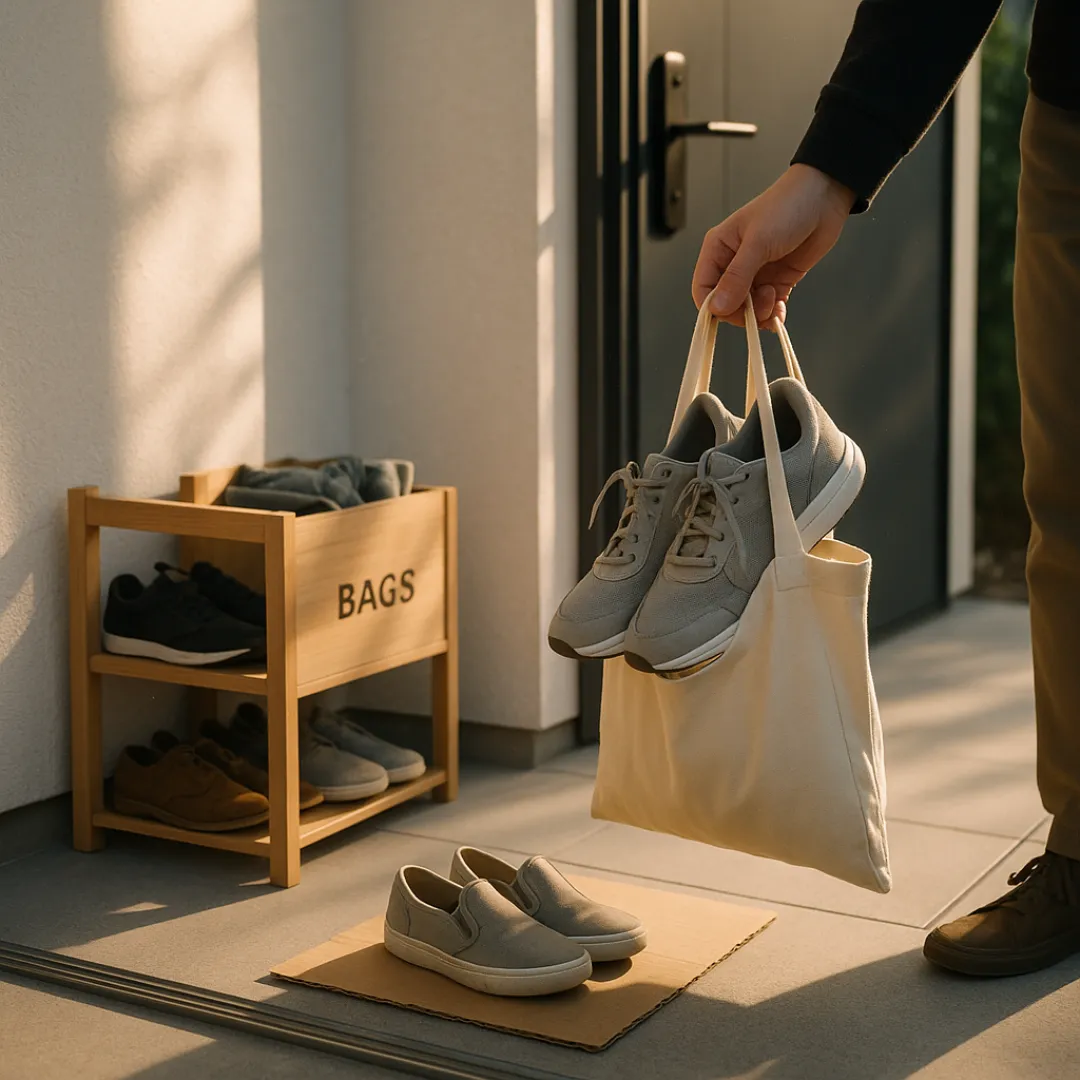
Shoes can track dirt into your home, so it’s a good idea to keep them outside or by the door. You can set up a spot for shoes near the entrance or use a box to keep them organized. Letting shoes air out on cardboard outside before cleaning them also helps keep dust out of your living space.
2. Use a Doormat
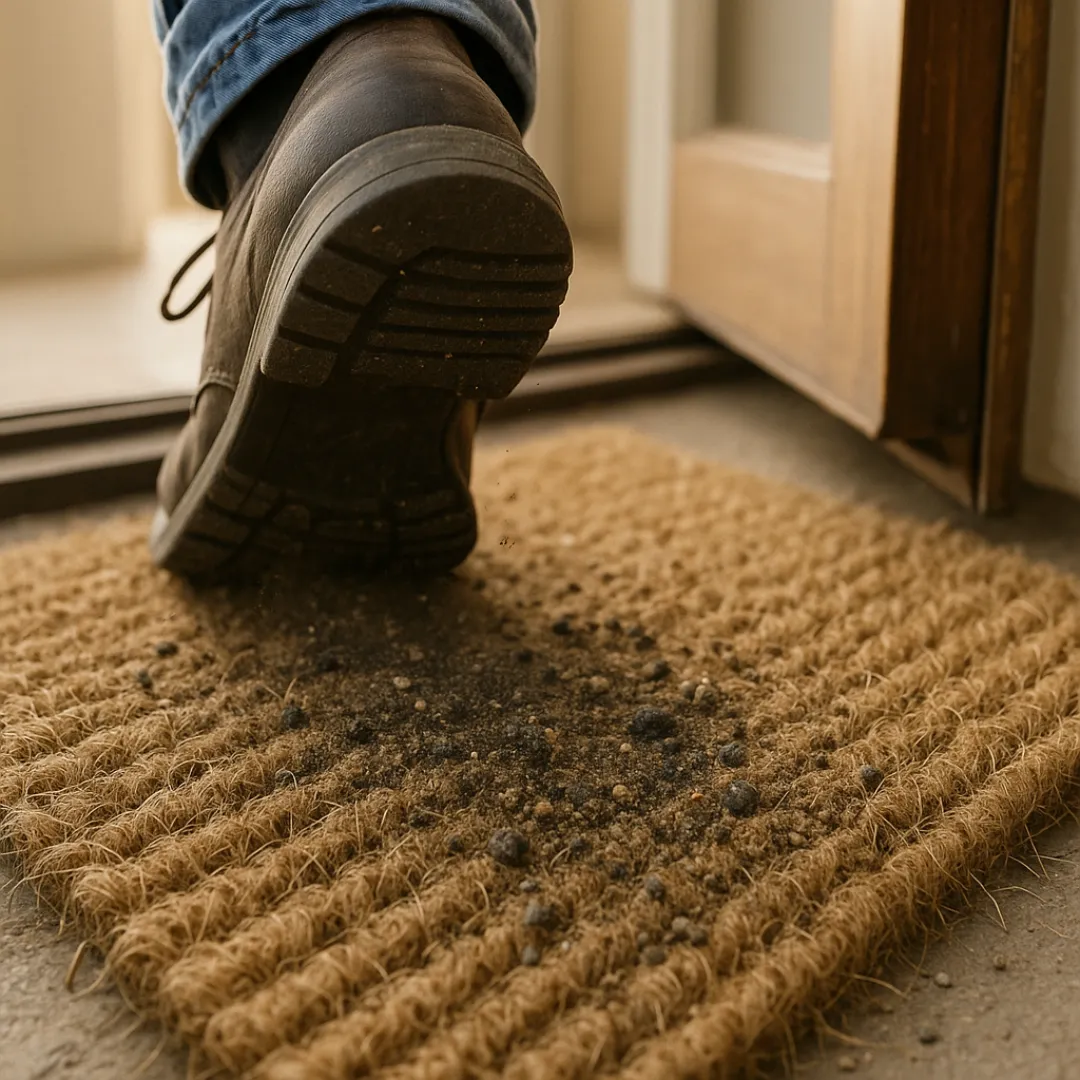
Doormats may seem like a small detail, but they can significantly reduce the dirt and dust that enters your home. So, you can put a doormat outside near your door that will reduce the dust.
3. Take Extra Care with Your Rugs
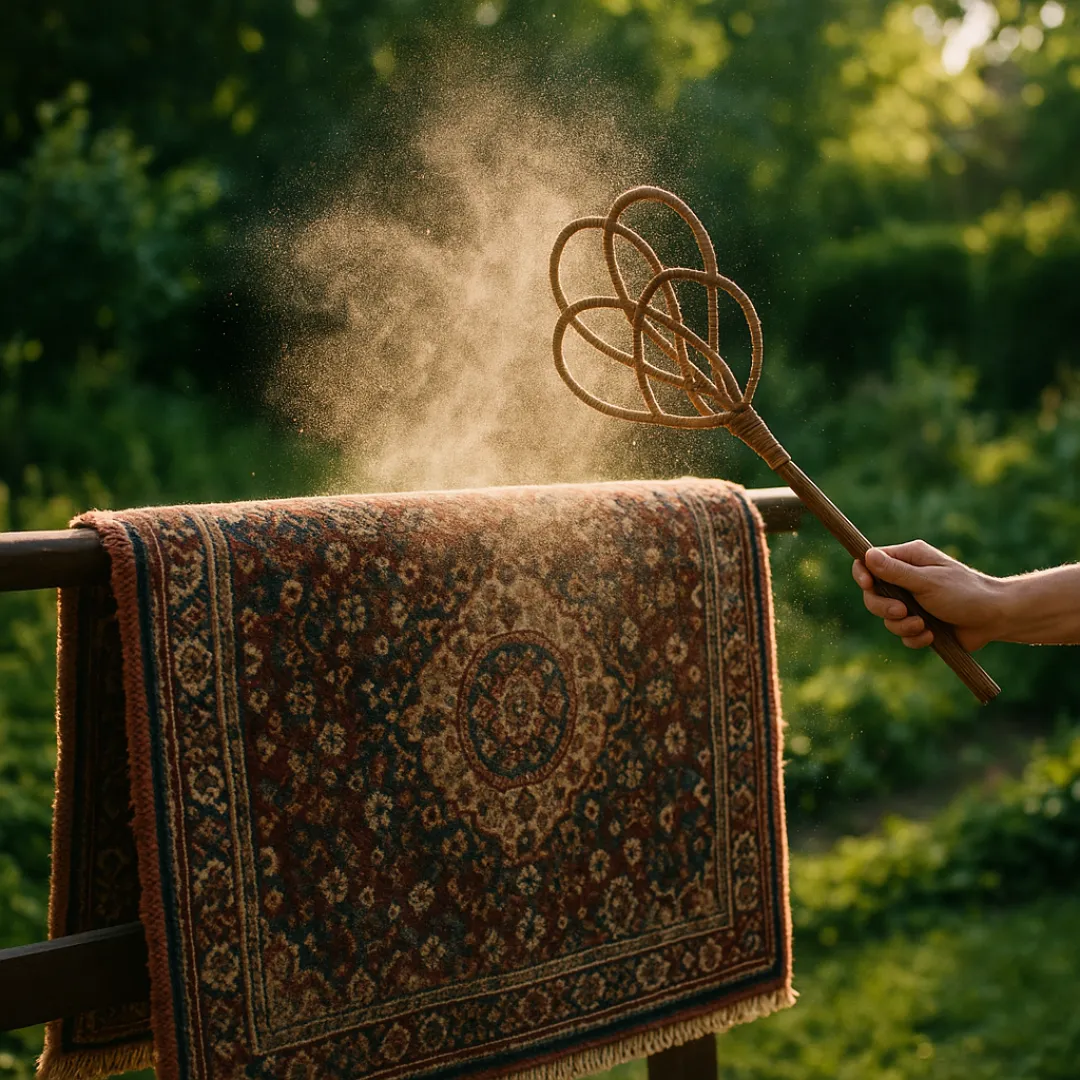
Rugs collect dust easily, especially in busy areas. You should vacuum them more often than hard floors, and clean high-traffic spots more than once a week if needed. Shaking or beating rugs outside every month or two helps, and getting them professionally cleaned once a year is a good idea.
Read also: How to Clean a Big Rug Without a Machine
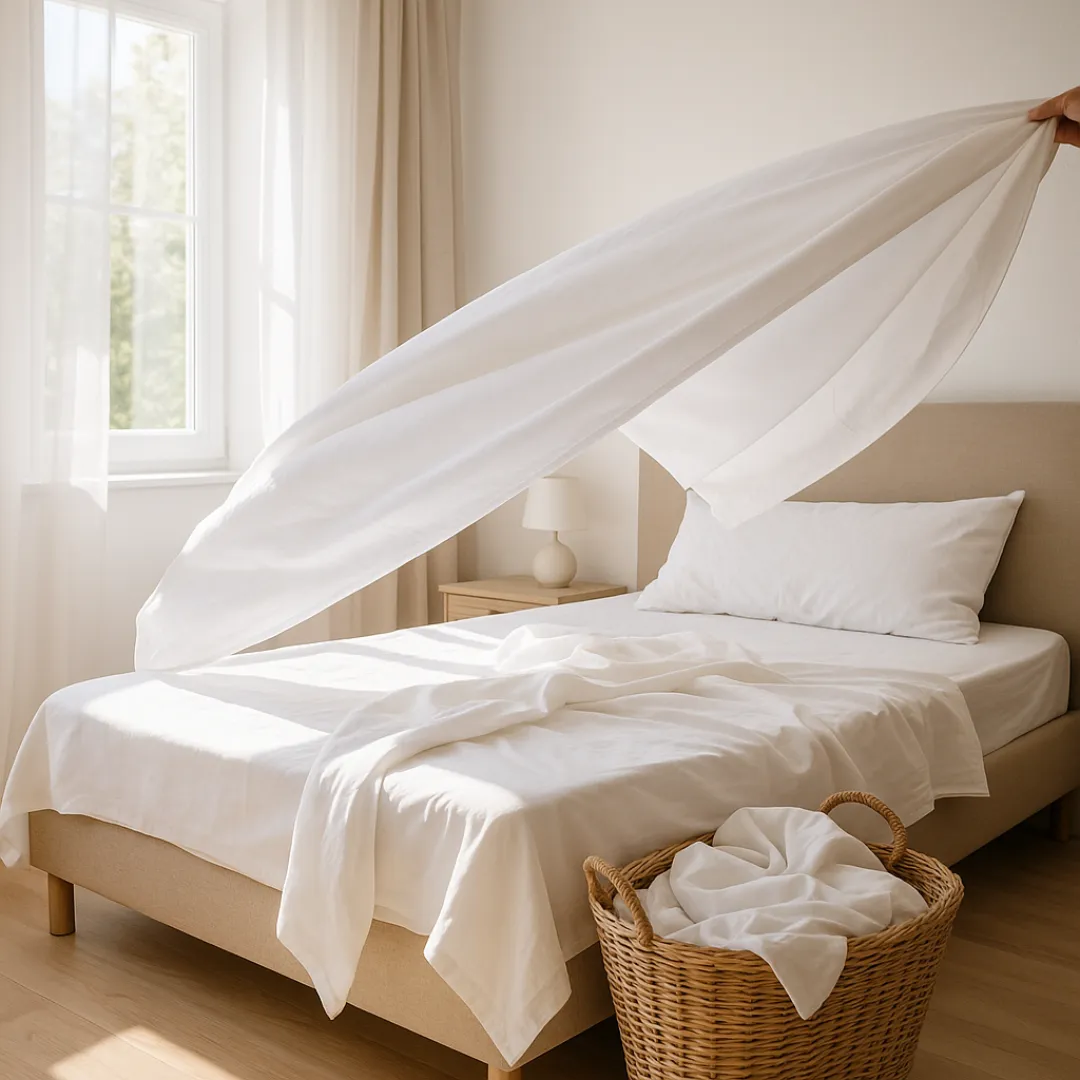
4. Clean Your Bedding On A Weekly Basis
Since we spend a lot of time in bed, our bedding gathers sweat, skin cells, hair, and dirt. These can add to the dust in your home. You should wash your bedding at least once a week to help keep your bedroom clean and healthy.
5. Keep Insects Out
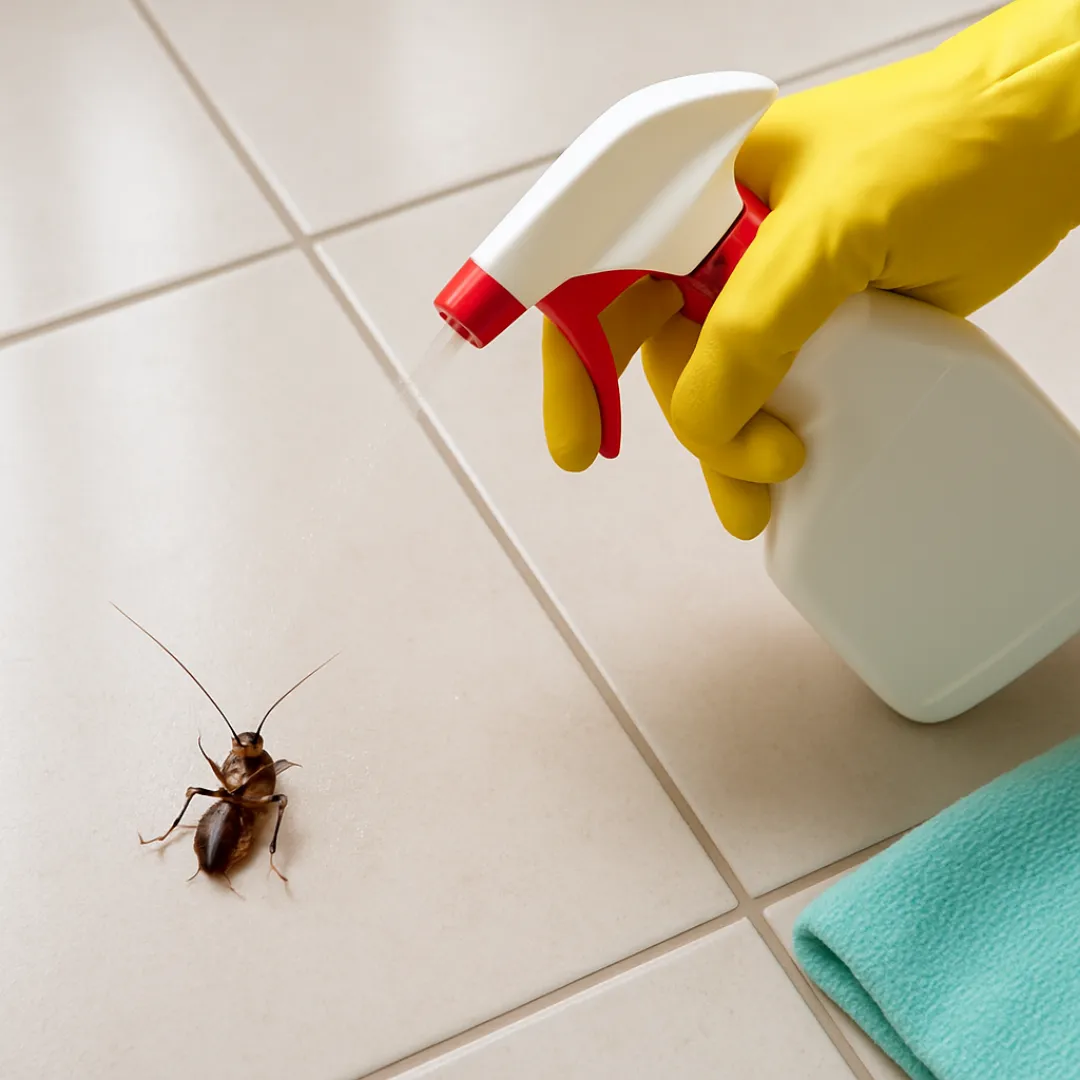
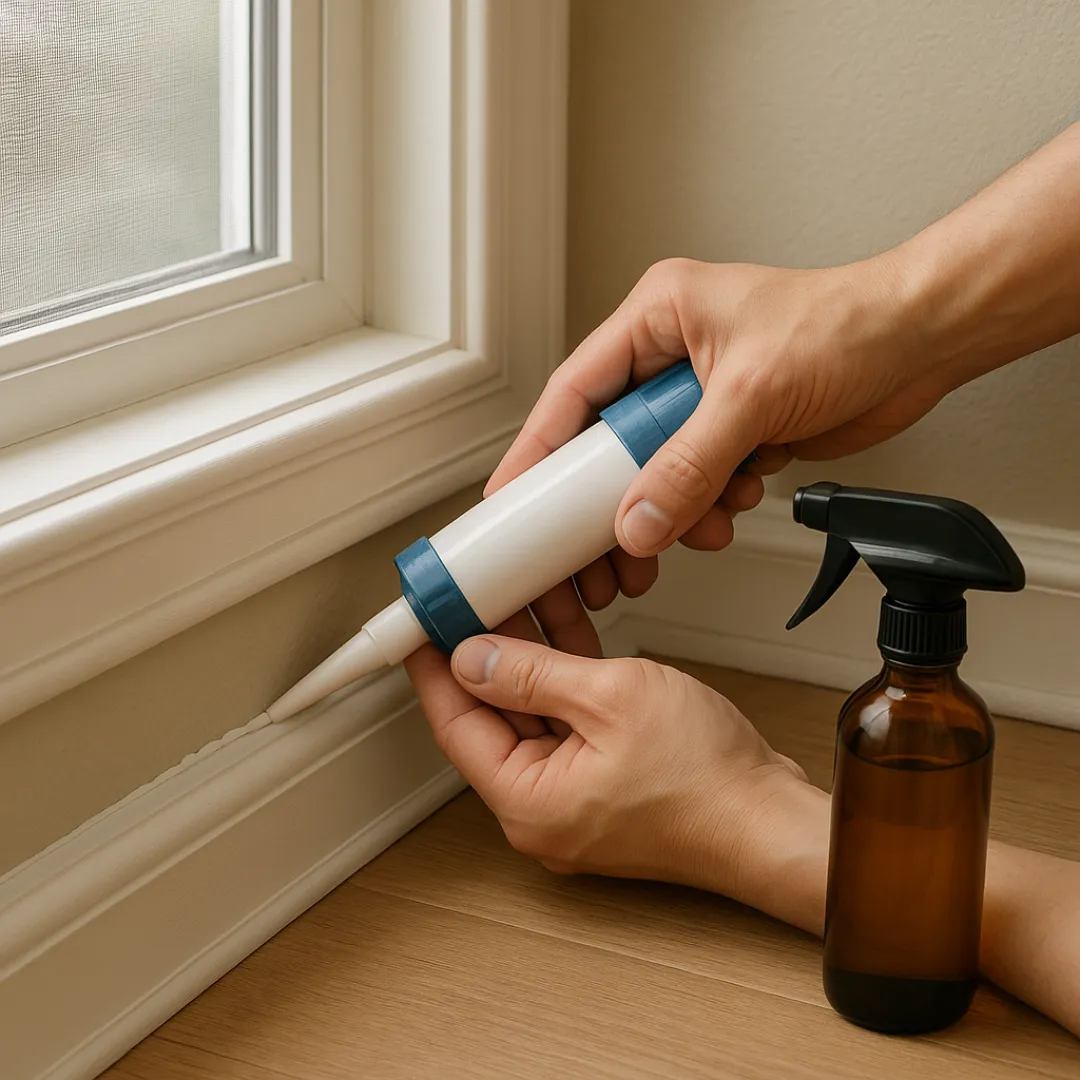
Small insects like spiders and ants add to dust by leaving droppings and shed skins. To keep them out, use cleaning products with essential oils or other pest control options, and seal up any cracks or gaps where they might get in. You can use an Ultrasonic Repeller to remove roaches, rodents, mice, bugs, mosquitoes, spiders, ants, etc.
Read also:
How to Get Rid of Bed Bugs Permanently — Step-by-Step Guide
15 Effective Ways to Get Rid of Silverfish Naturally
6. Prevent Infestations
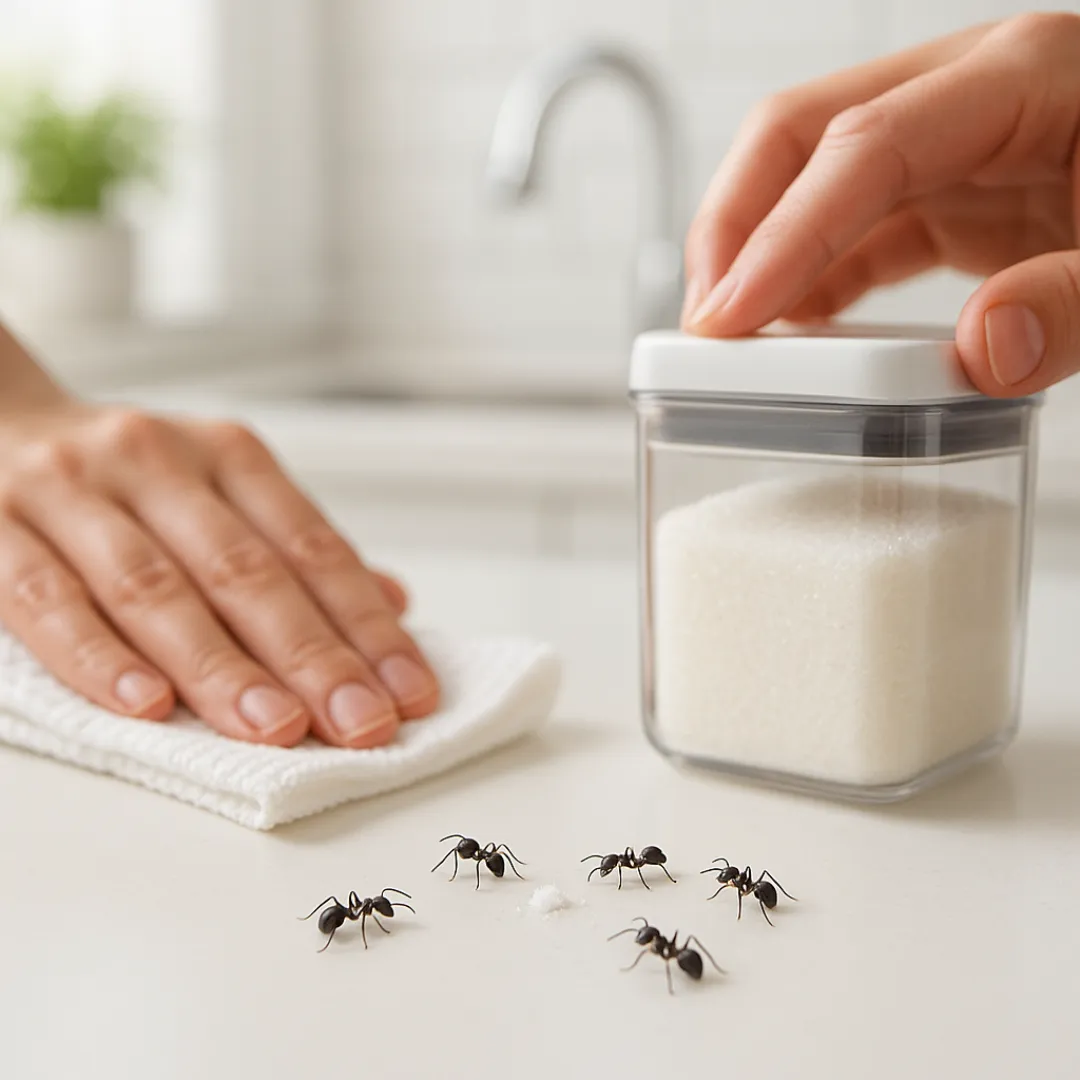
We often ignore a few small insects in our homes, but one can lead to bigger problems.
For example, if an ant finds a crumb, it can attract more ants quickly. Before you know it, you could have a lot of ants in your home.
If the problem grows, you might need to call pest control, which can be costly. It’s better to deal with small issues right away to save time and money later.
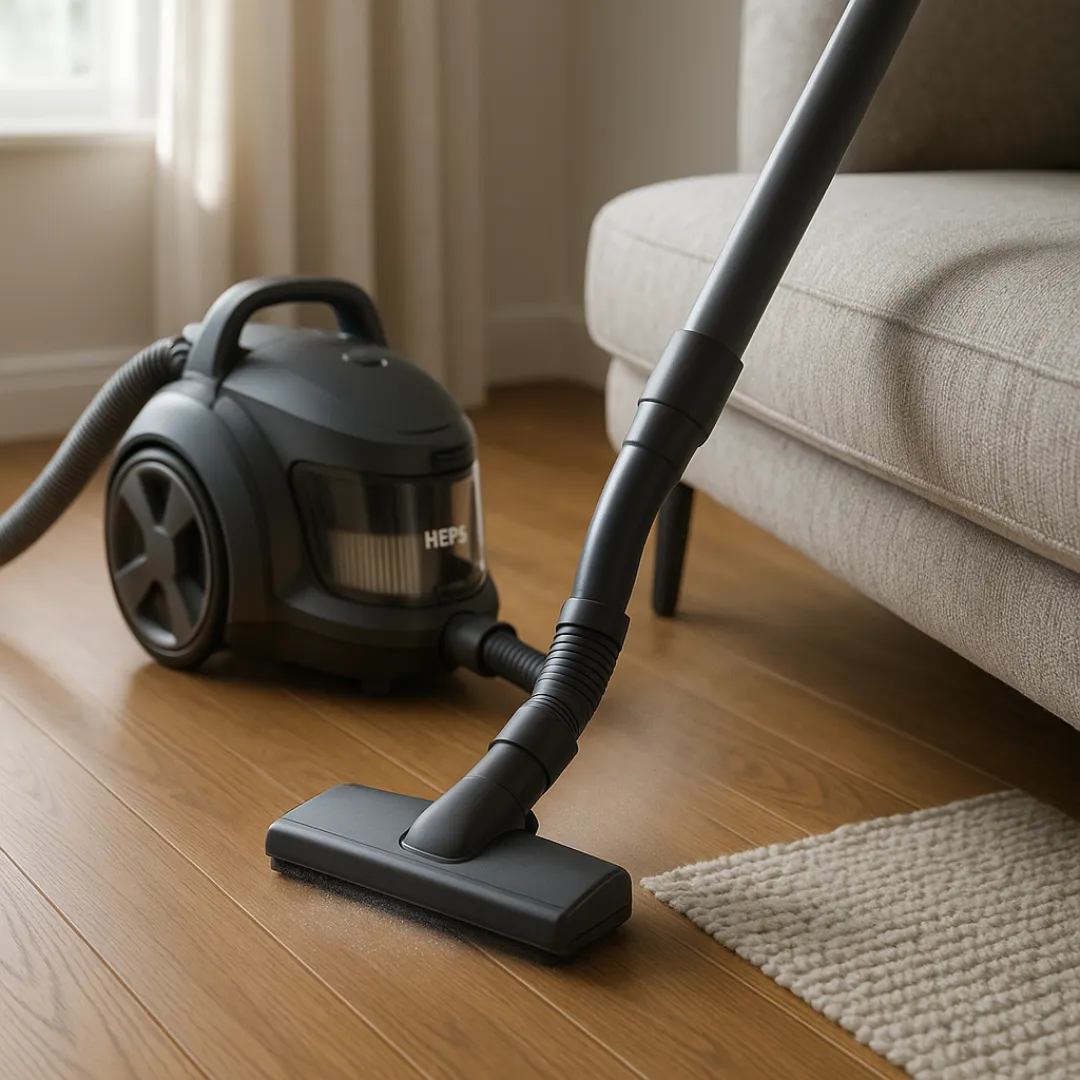
7. Vacuum Regularly
Make a habit of vacuuming your home regularly, which will reduce the dust in your home. Make sure your vacuum has a good filter, since a poor filter can spread dust instead of picking it up.
Vacuum all kinds of surfaces, including curtains, sofas, carpets, and mats. Carpets hold more dust than hard floors, so give them extra care. You can read another helpful article about How to Remove Dog Hair From Carpet Without a Vacuum.
If you have dust allergies, try to limit or remove carpets, since they trap dust. Vacuuming often is key. For hard floors, vacuuming can pick up more dust than mopping, so it’s usually the better option.
8. Dust Correctly from Top to Bottom
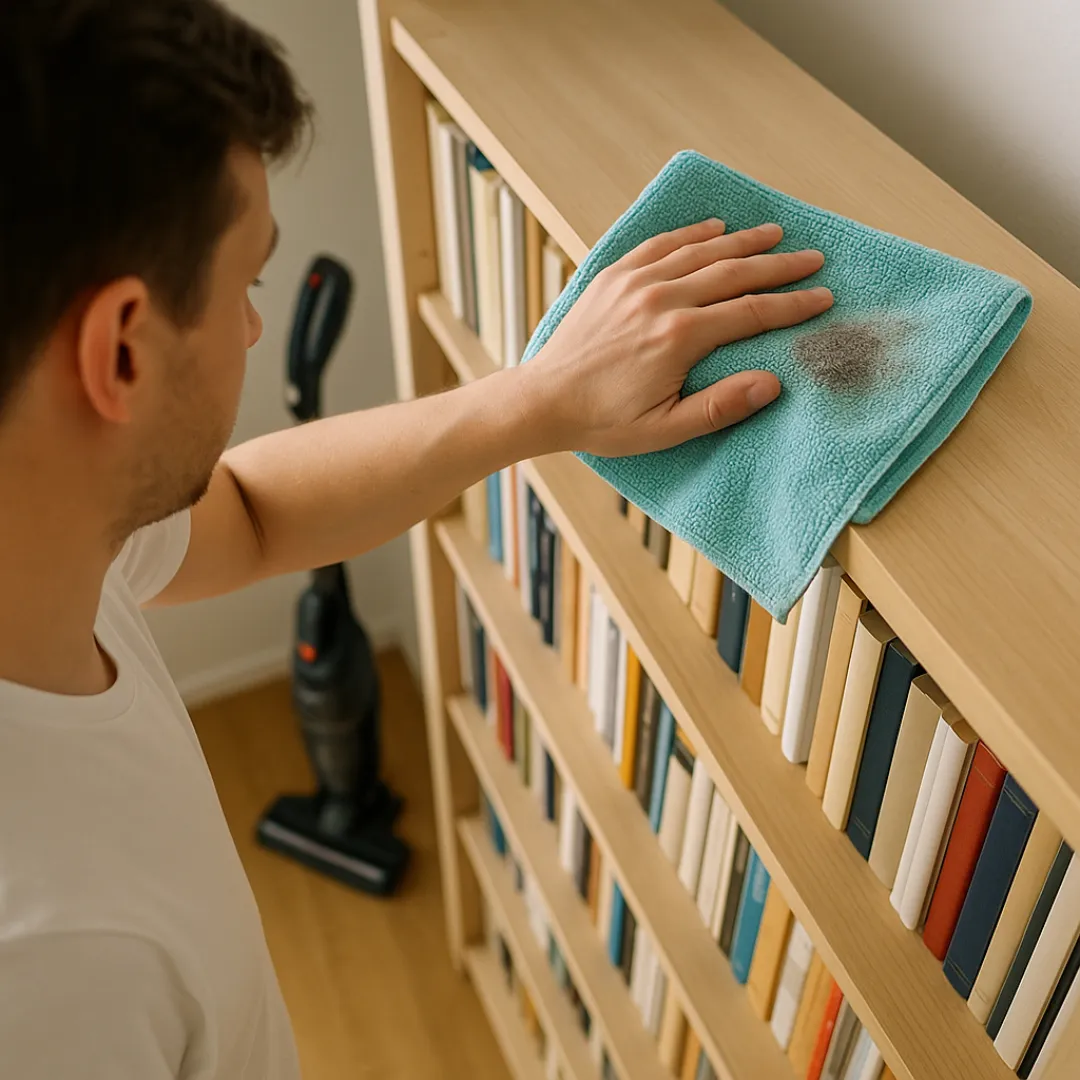
When you clean the furniture and accessories of your home, I suggest you start from the top of the room and work your way down. It will make your cleaning task easier. And, you can use your vacuum at the right moments for the best results.
Avoid feather dusters, as they just move dust around. Use a damp cloth to pick up and remove dust from your home.
10. Deep Clean Your Carpet
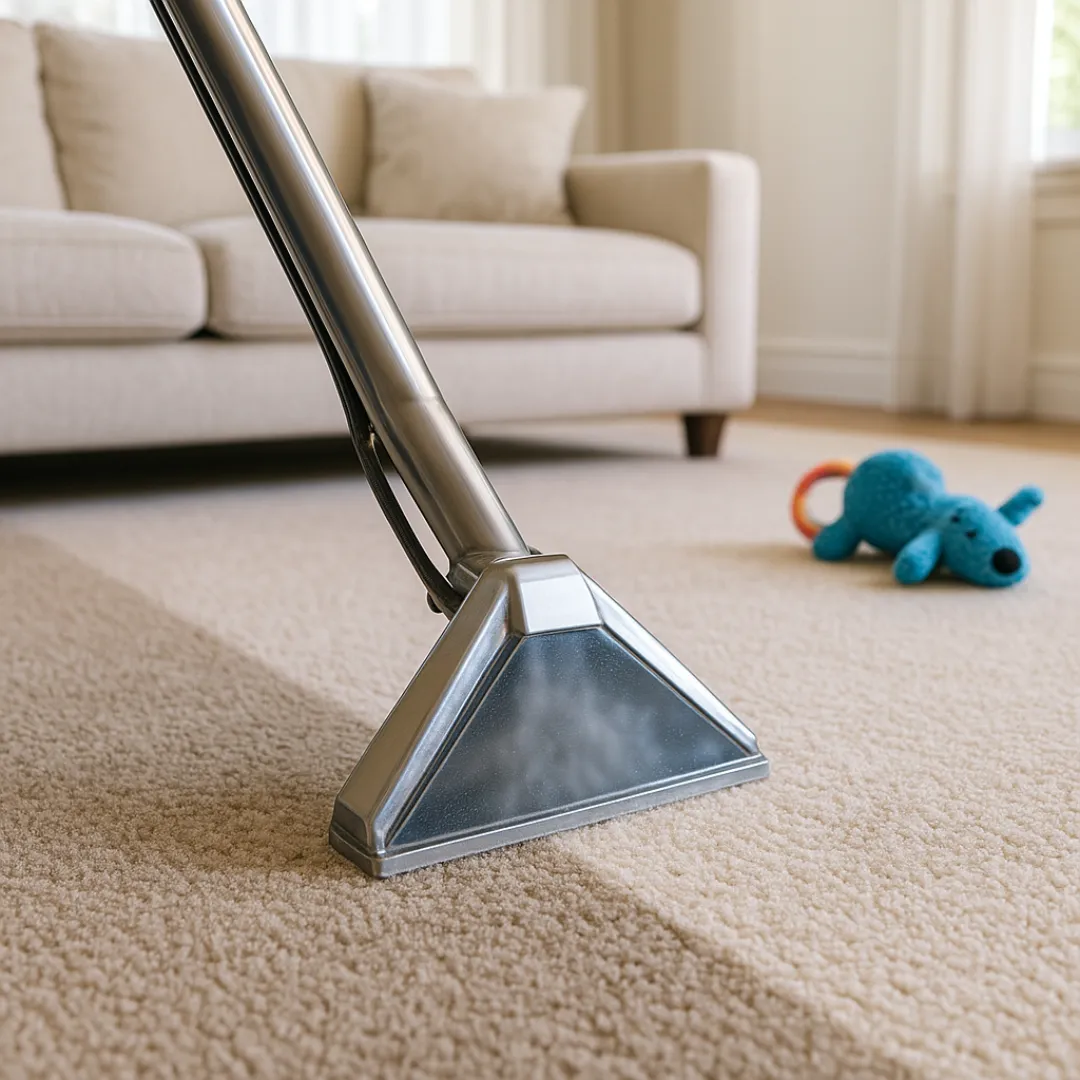
If you have carpets, you should deep clean at least once a year, or twice if you have pets. We all know that regular vacuuming doesn’t remove all the dust, so you need a deep clean to keep your home clean and healthier. You can read my another guide: How to Deep Clean Your House Room by Room
11. Regularly Change Air Filters
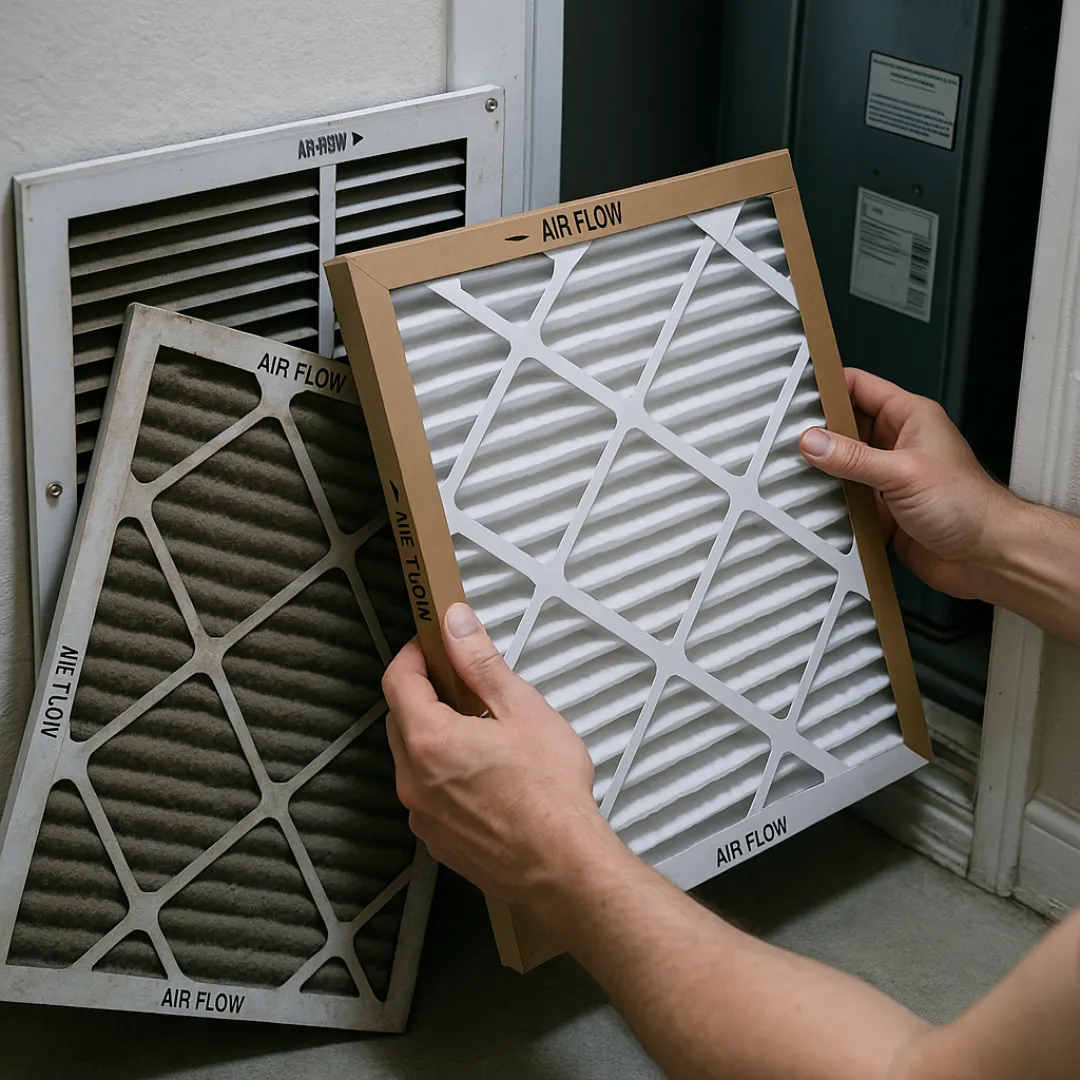
Your HVAC system’s air filter collects dust quickly, so you have to check it regularly. If you see a lot of dust in the filter, you should clean it. If it does not work perfectly, change it quickly.
Dispose of the old filter dust properly to keep your system running well. Buying better quality filters can save you money over time and help your system work more efficiently.
12. Refresh Air Inside Your Home
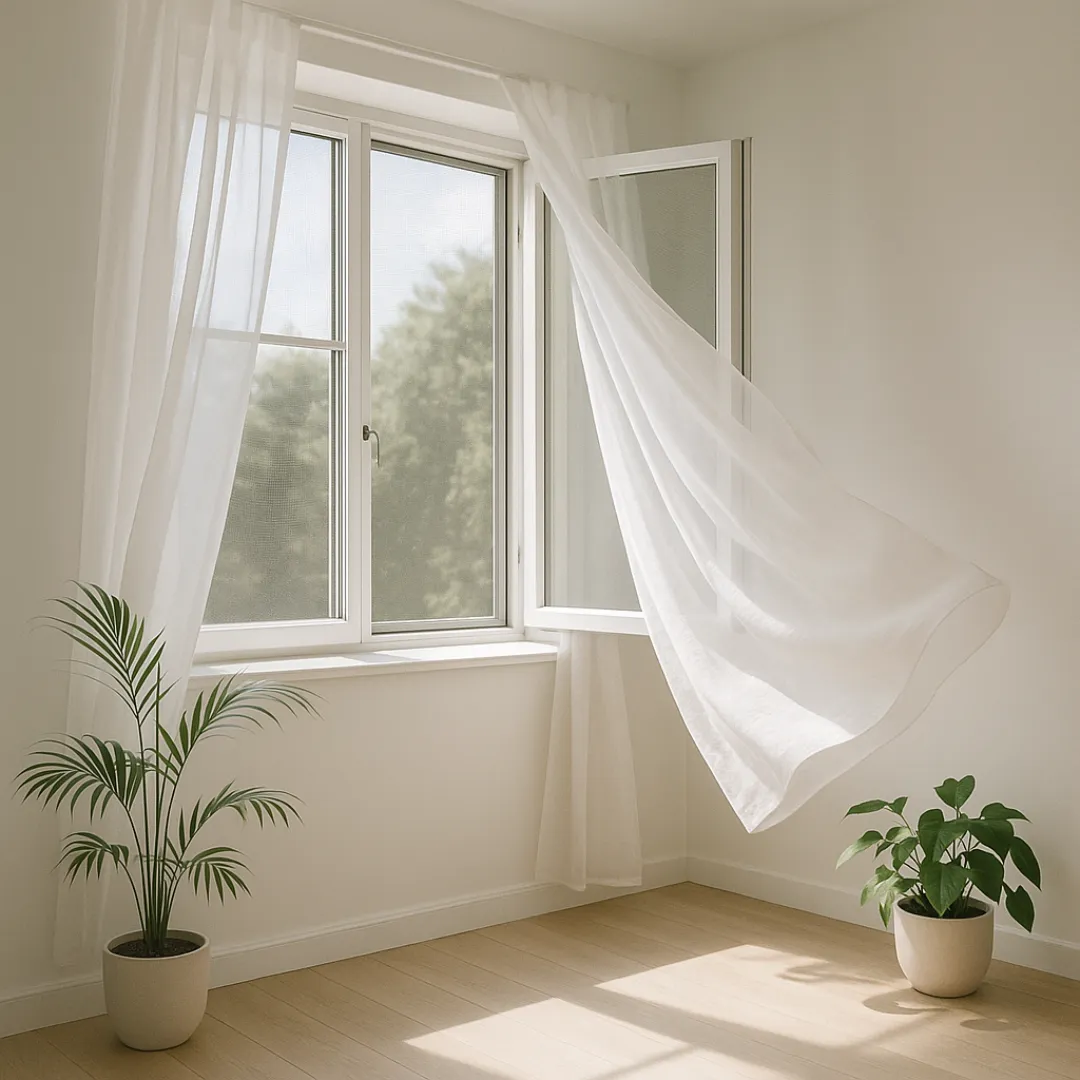
Letting fresh air in is important for a healthy home. Open your windows to air out rooms, and use mesh screens to keep bugs and dirt out. This helps your home feel more comfortable and pleasant.
13. Use an Air Purifier
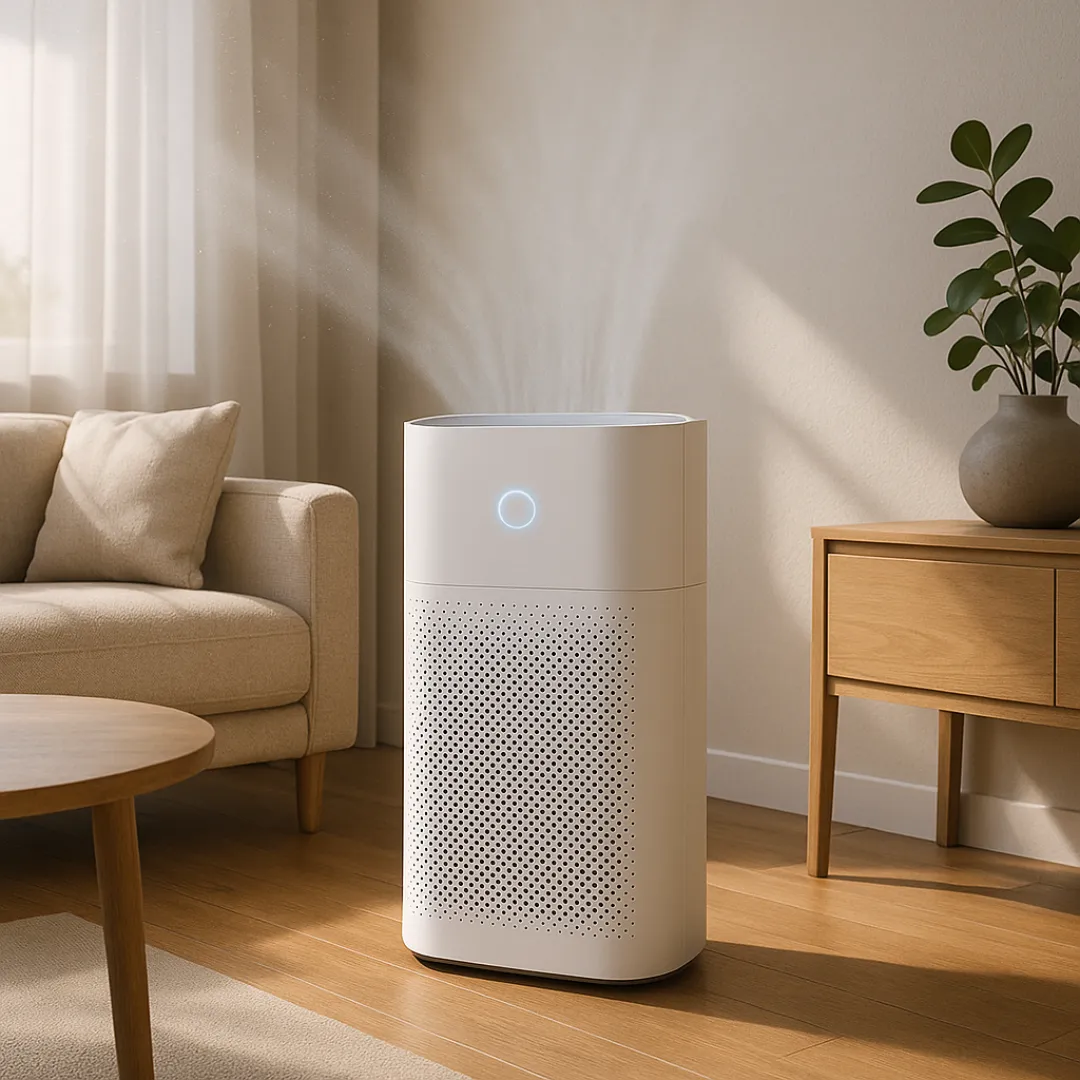
If you still notice dust after regular cleaning, try using an air purifier. It will catch tiny particles that cleaning might miss, which is especially helpful if you have allergies or want cleaner air during pollen season.
14. Dust Your Pillows and Furniture Coverings
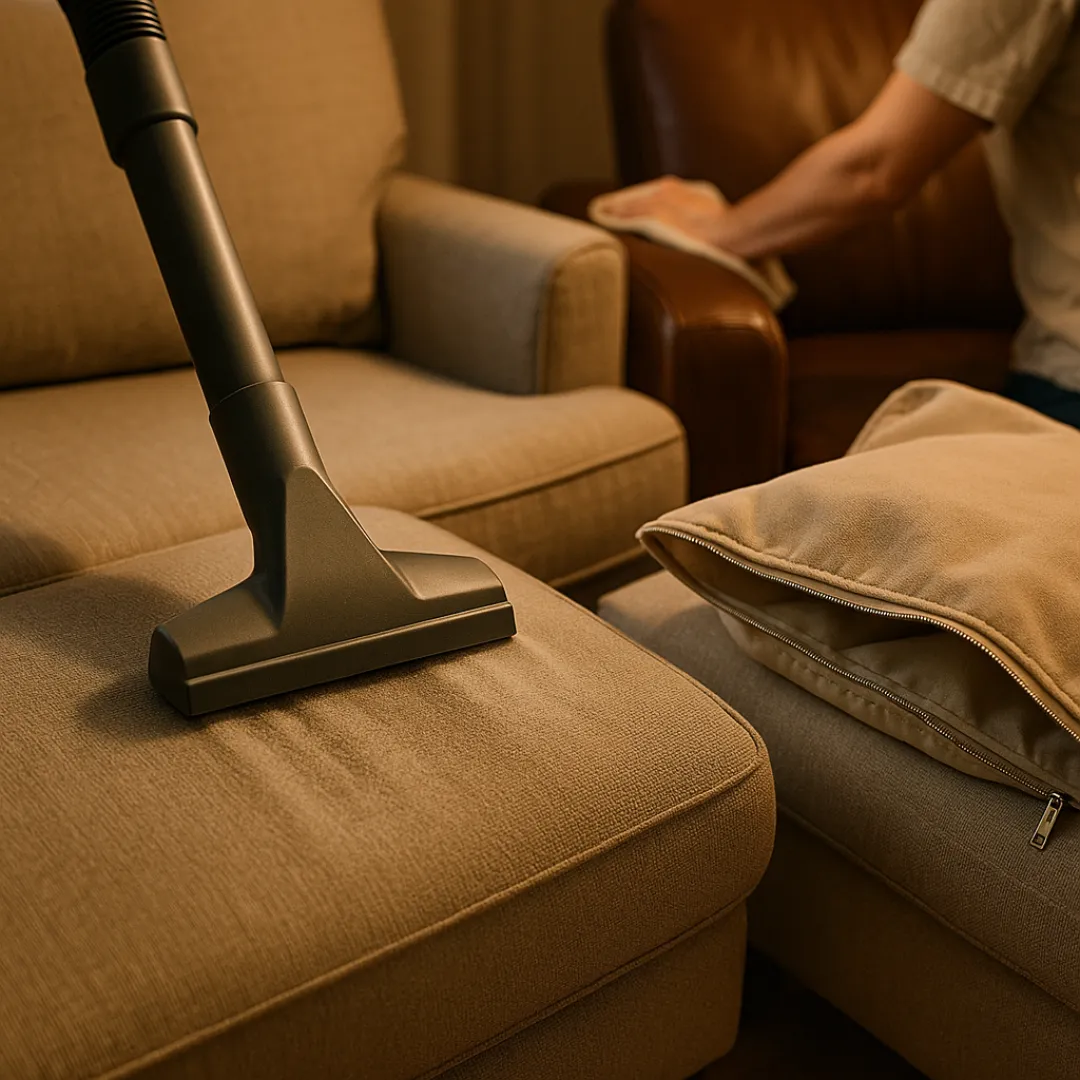
Pillows and furniture can gather dust. You have to clean them regularly. For leather, wipe with a damp cloth or leather cleaner. For fabric, follow the care instructions, and use a vacuum when you can. If possible, wash or dry clean removable covers.
If you can, take cushions and pillows outside to shake or beat them every month or two. This helps remove dust and keeps your home cleaner.
15. Pet Grooming
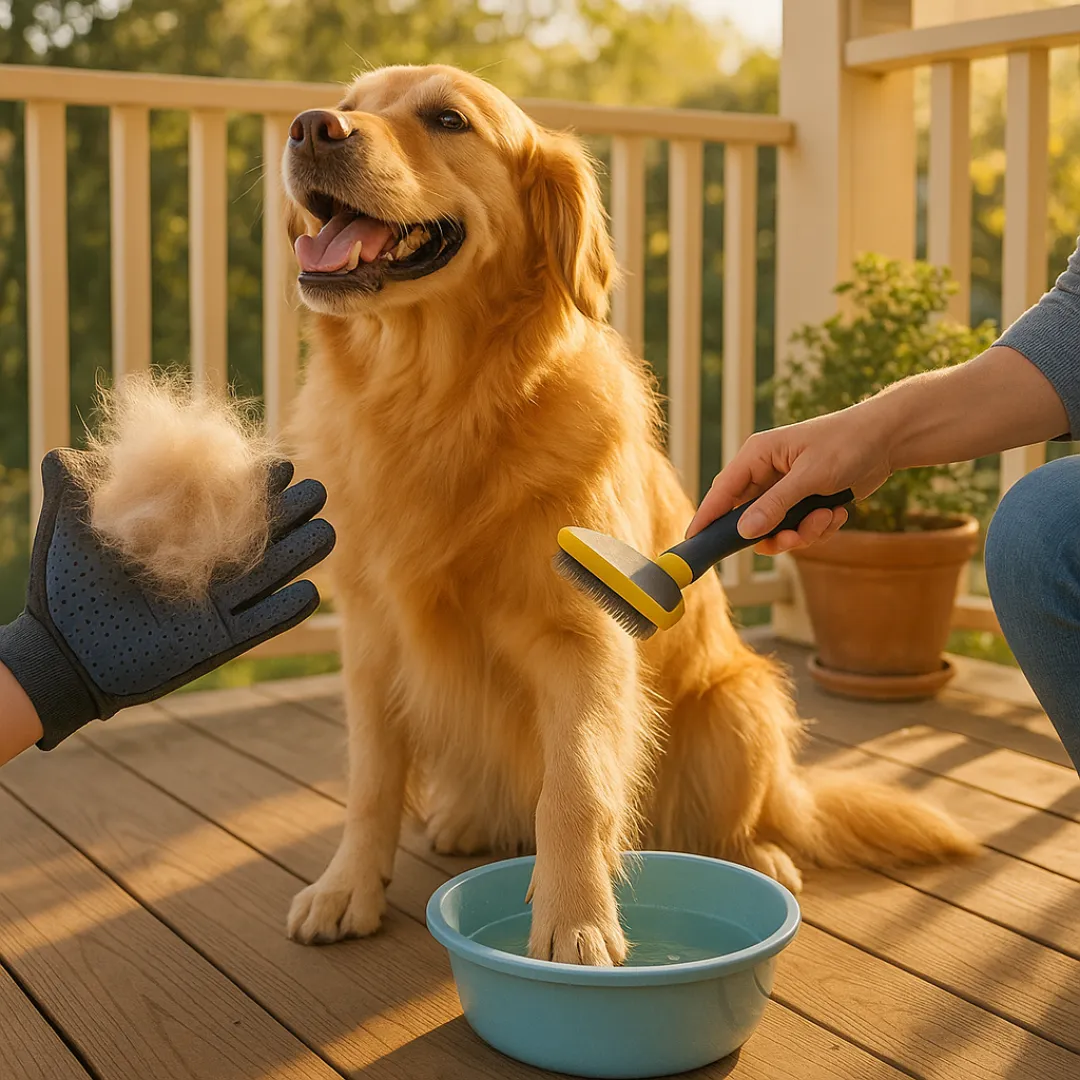
You should groom your pets regularly to keep them healthy and reduce dust. Bathing and brushing help limit shedding. For dogs, you can wash their paws after walks to keep dirt out of your home.
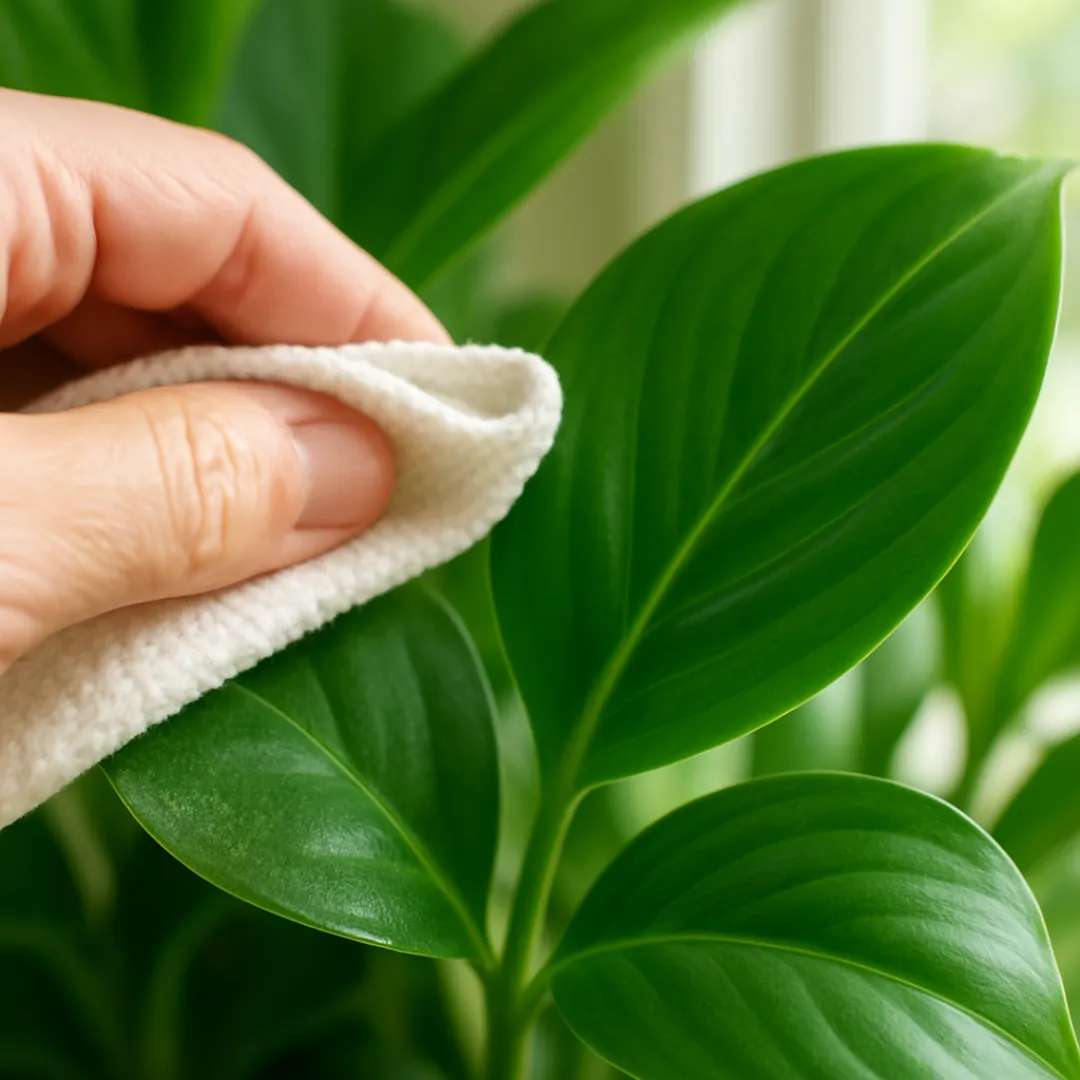
16. Dust Your Plants
Dust can also build up on houseplants and affect their health. So, you have to check and clean them when needed. To do this, wipe their leaves gently with a damp cloth every week or two to help them grow and keep your air cleaner.
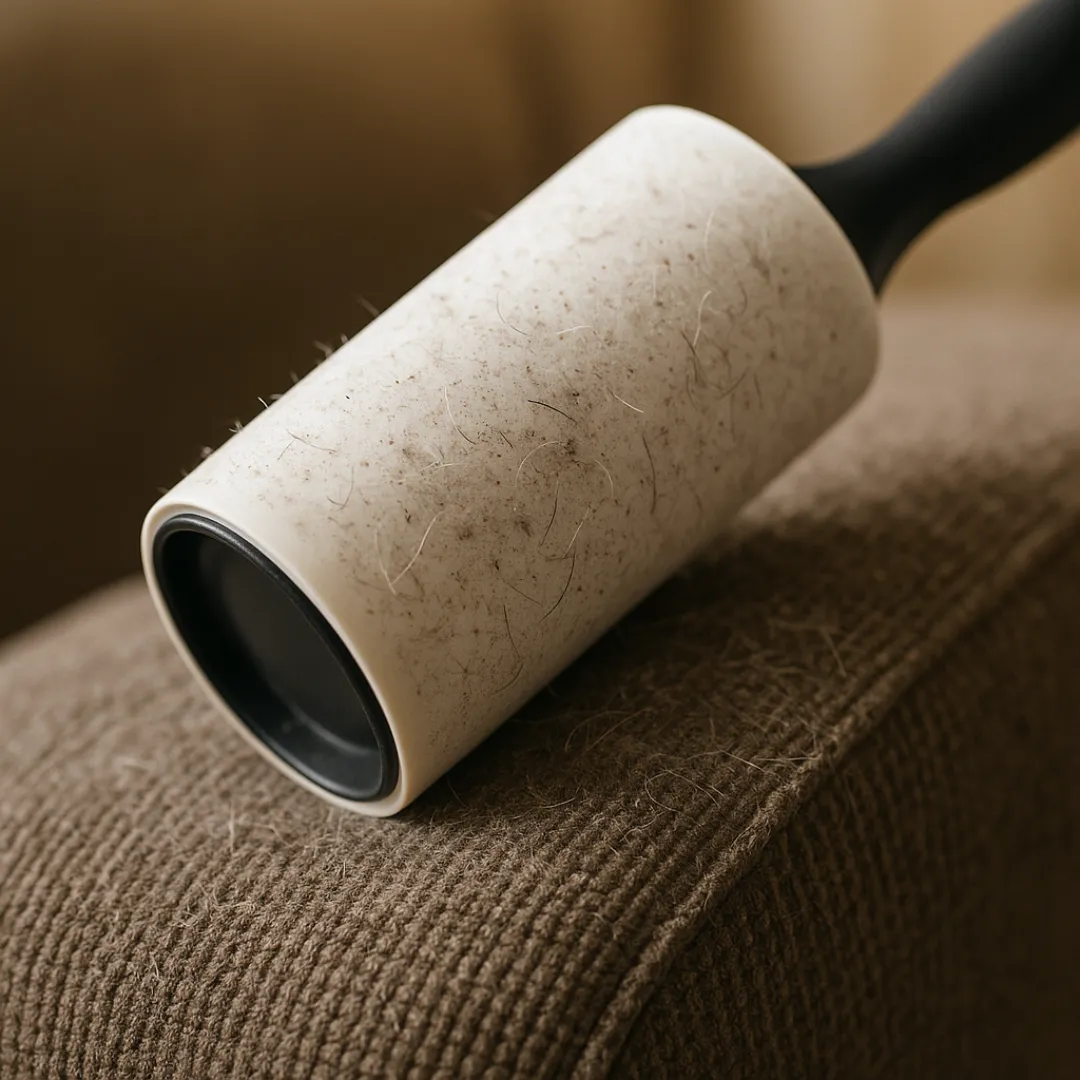
17. Pick Up Your Lint Roller
Use a lint roller to pick up dust from furniture, especially on fabric or leather. Your sofas and chairs will be benefited more from this quick cleaning step.
18. Lint Roller For The Window Screens
If you see dust and dirt on your window screens, clean them using a lint roller because it can clean them perfectly and save your time.
19. Use A Lint Roller On The Painting, Too!
Paintings on canvas can collect dust. Use a lint roller gently on both sides to clean them.
20. Don’t Forget Your Bulbs
Light bulbs and their sockets can get dusty over time. Cleaning them regularly helps them look better and work well. Sometimes, insects land on hot bulbs and may not survive.
You can use a microfiber cloth and dusting spray to clean bulbs and sockets. If dust is stuck from the heat, spray a little to loosen it. For hard-to-reach bulbs, wrap a damp cloth around a broom to clean them.
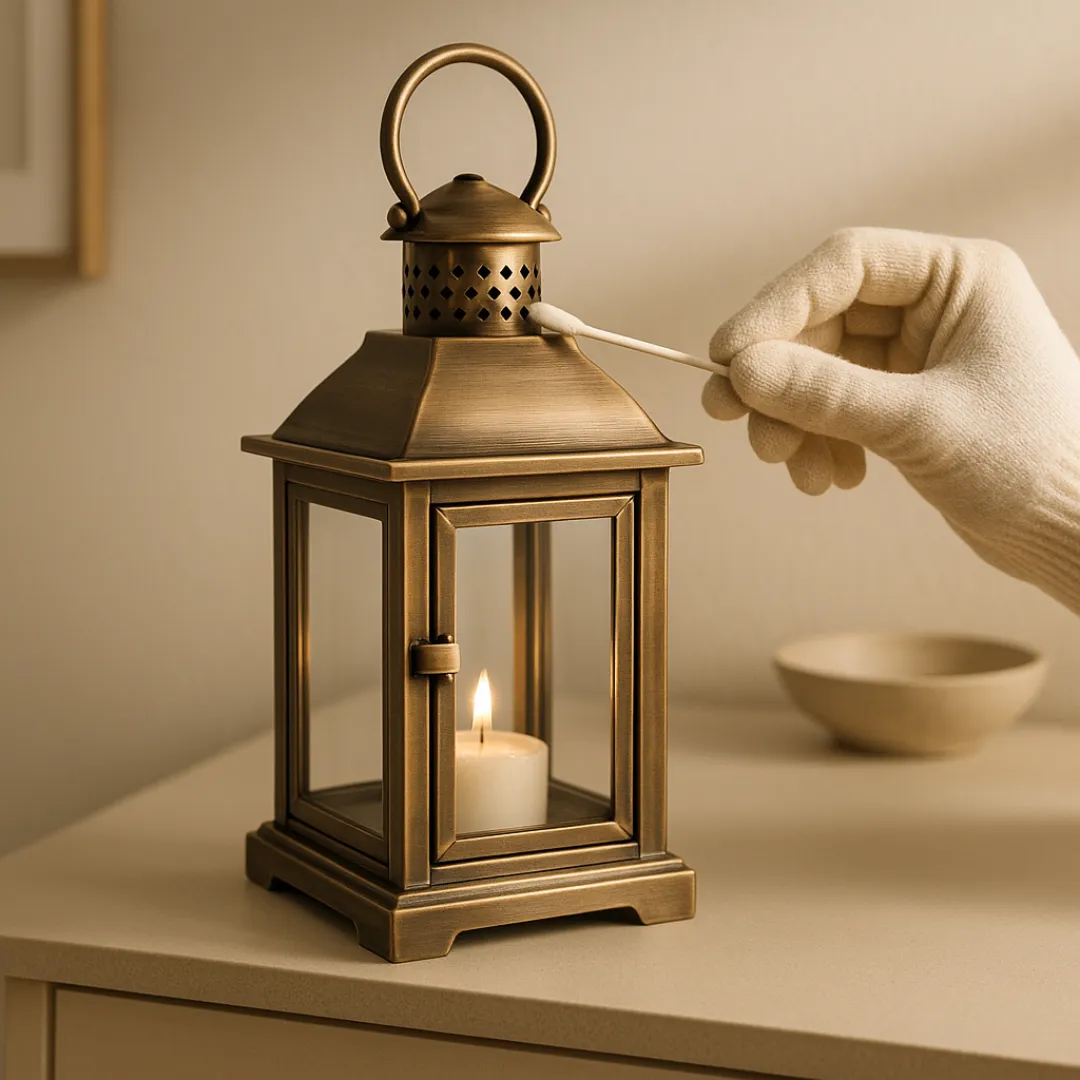
21. Clean Decorative Items
A lantern is useful for light during power outages and also adds to your home’s decor. You should keep it clean and well-maintained so it’s ready when you need it.
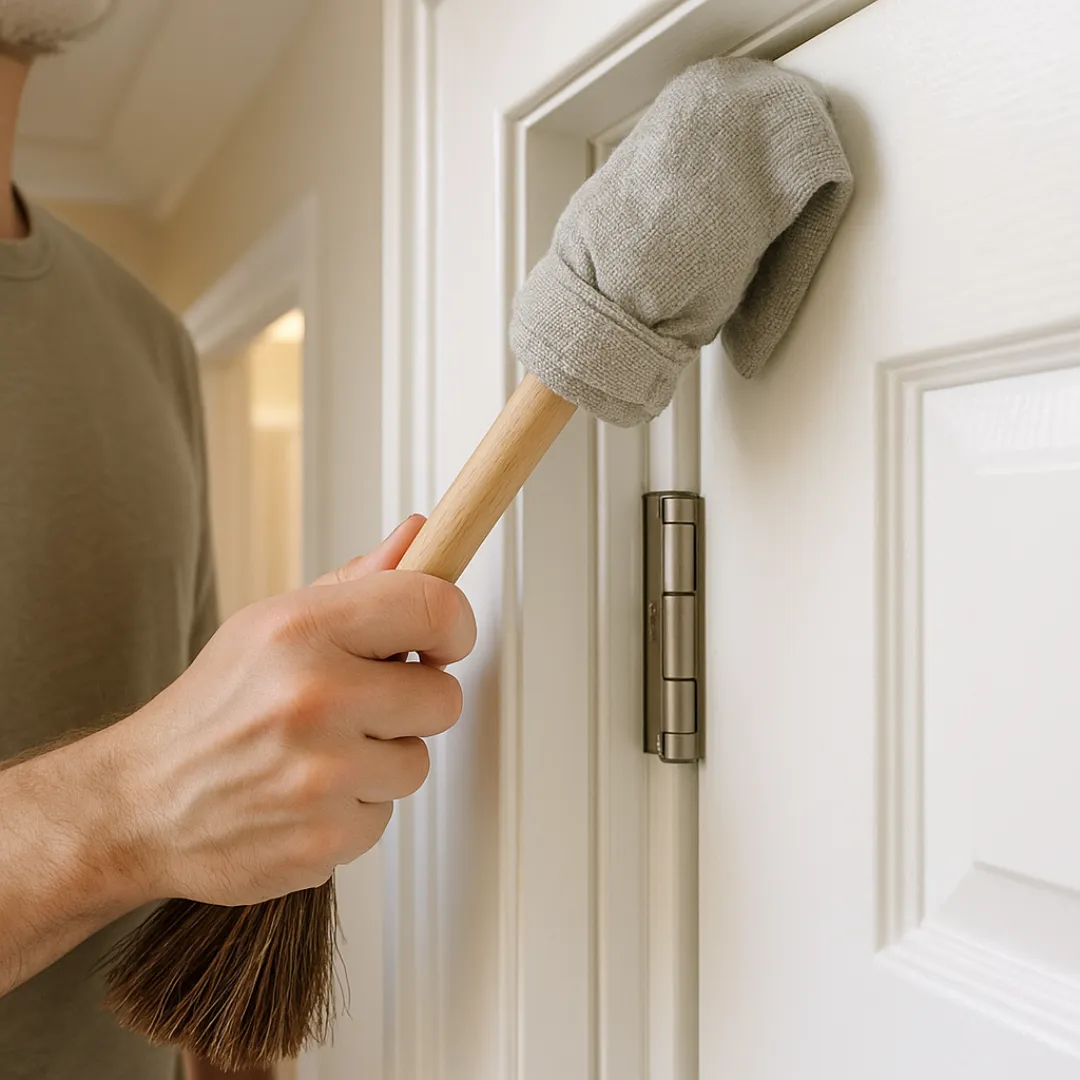
22. Position Yourself Within the Door Frame
You can use a cloth on a broom that works perfectly for dusting door hinges. Dampen it with dusting spray to clean along the grooves thoroughly.
23. Dust The Light Switches
Light switches often gather dust, so you have to clean them. Kids’ hands can leave residue that attracts dust, and unused switches can collect dust too. Keeping them clean helps your home stay tidy and healthy.
24. Ceiling Fan Dust Cleaning
Ceiling fans may gather dust, so clean them at least 1-2 times each week. If not possible, do it once a month. To do it, first turn off the electric power line, lay down a drop cloth, and use a pillowcase to wipe each blade. Then, use a damp cloth with soapy water for any leftover grime and dry the blades well.
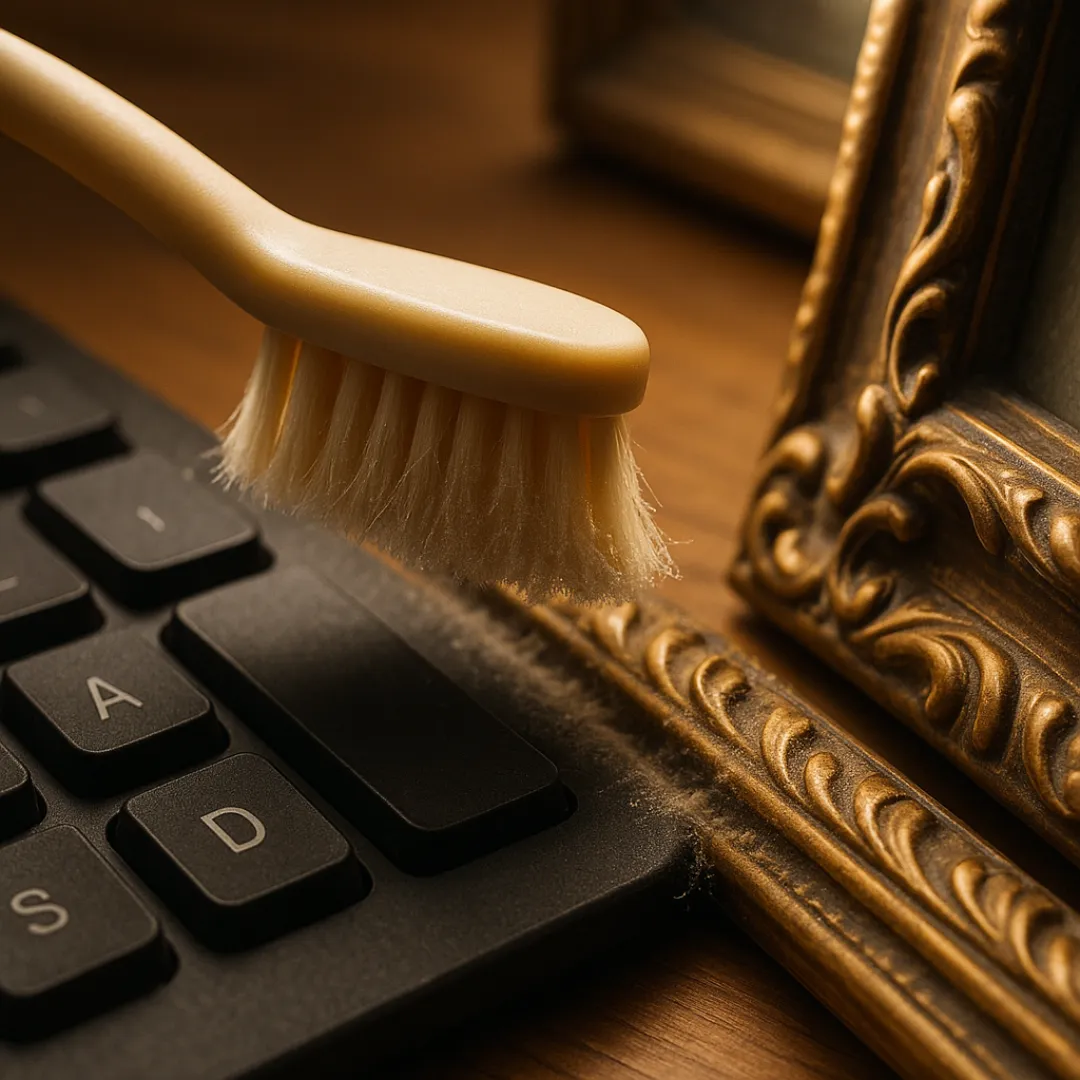
24. Use a Toothbrush for Dusting
A clean, dry toothbrush is a great tool that you can use for dusting small or delicate spots. Use it on figurines, keyboards, picture frames, or other tricky areas.
25. Clean the Refrigerator Backside
We often neglect the backside of our refrigerator, where dust can gather. You must clean it at least once a month or during deep cleaning. To do it, start by unplugging your refrigerator to stay safe. Use a vacuum with a brush attachment to gently clean dust and dirt from the coils and back panel. Then, wipe the area with a damp cloth to pick up any leftover dust. Let everything dry before plugging the fridge back in. Cleaning this area regularly can help your refrigerator run better and last longer.
Finally, I hope the above tips will help you to clean and reduce the dust in your home.
Read also:
How To Deep Clean Your House Room by Room

My name is Mostarefa. I am a content creator and editor of ideasformyhome.com. I am an expert in home improvement. In this blog, I write about home improvement ideas, trending home decor ideas, and cleaning & organizing tips.